Celebrating Marie Curie: A Trailblazer in Science and Humanity
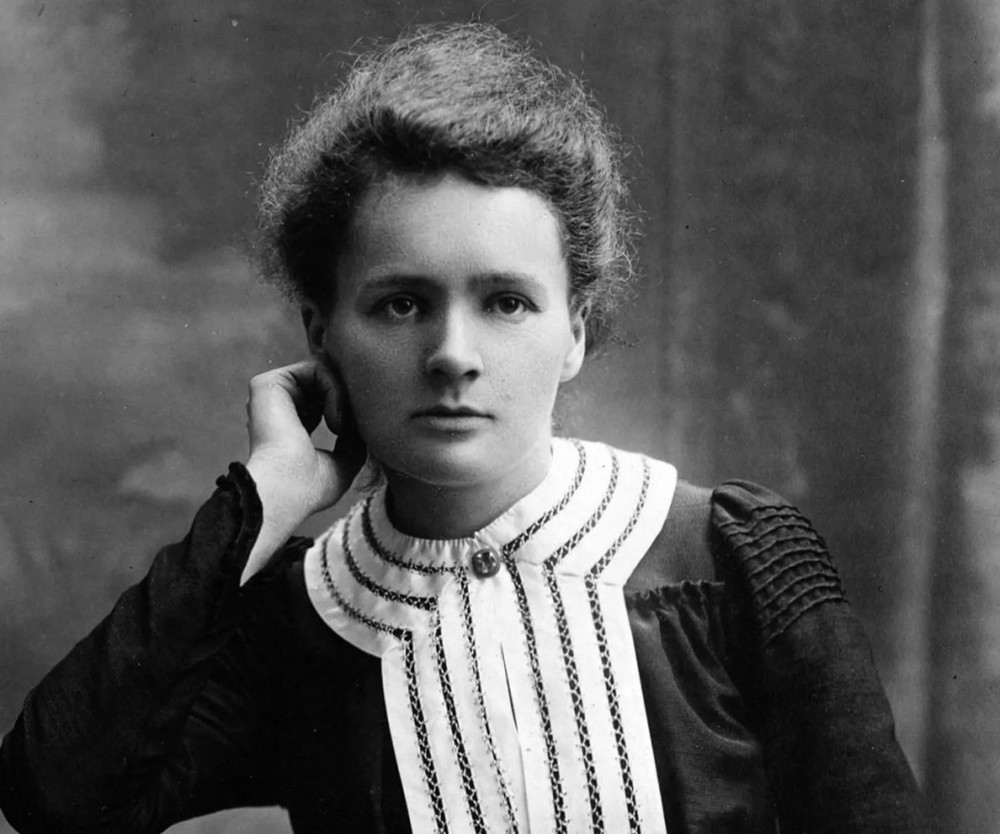
Today, on November 7th, we celebrate the birth anniversary of an extraordinary woman whose life and work forever changed science, medicine, and the world as we know it, Marie Curie. Born Maria Skłodowska on November 7, 1867, in Warsaw, then part of Congress Poland, Marie Curie was a pioneer, a thinker, and a relentless researcher whose groundbreaking contributions still inspire scientists and dreamers worldwide.
An Unmatched Legacy: The First Nobel Laureate and More
Marie Curie’s life reads like the story of a determined visionary whose quest for knowledge shattered multiple barriers. She was the first woman ever to win a Nobel Prize, awarded in Physics in 1903, alongside her husband, Pierre Curie, and physicist Henri Becquerel for their collective research on radioactivity. But she didn’t stop there. In 1911, Curie went on to claim a second Nobel Prize in Chemistry for her discovery of the elements polonium and radium. She remains the only person to win Nobel Prizes in two different scientific fields, a testament to her unmatched intellect and passion for science.
Curie’s curiosity led to innovations that not only advanced scientific understanding but also transformed medical practices. During World War I, she developed a portable X-ray machine, known as “Little Curies,” which allowed soldiers to receive life-saving diagnostic care directly on the battlefield. This innovation highlighted Curie’s compassion and commitment to applying science for humanity’s benefit.
Her Life and Career: A Path of Determination and Resilience
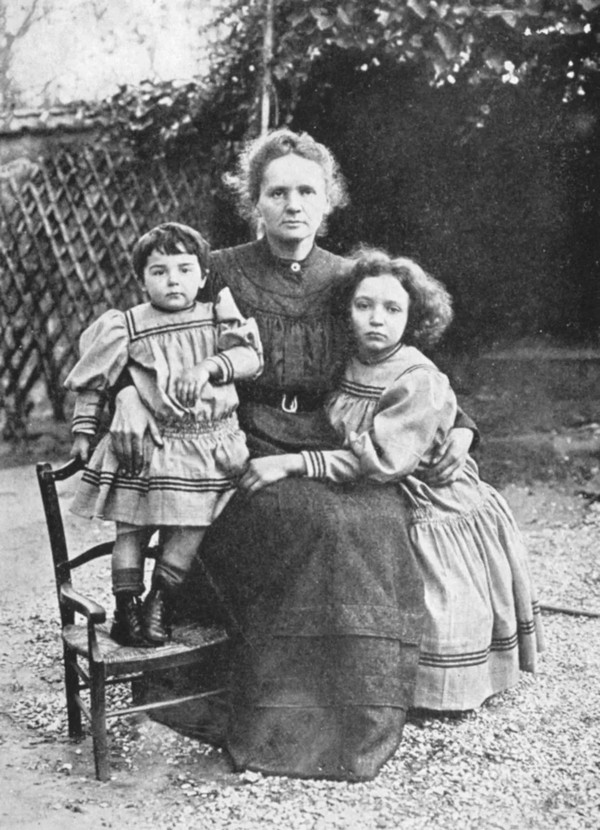
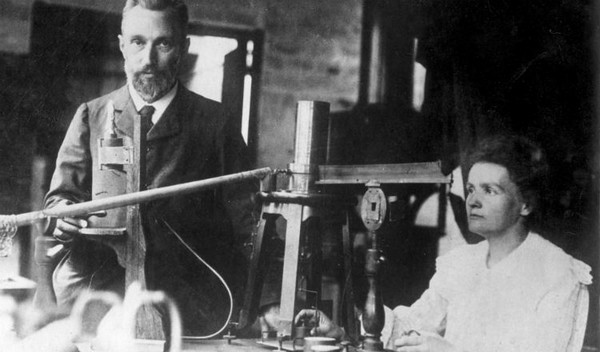
Marie Curie’s journey was anything but easy. At a time when few women entered scientific fields, she overcame financial and social hurdles to study at the Sorbonne in Paris, where she joined her sister Bronisława. In 1895, she married Pierre Curie, a fellow physicist whose support and partnership encouraged her remarkable research. Together, they studied radioactive elements, opening new pathways in science that fundamentally altered our understanding of atomic physics.
After Pierre’s tragic death in 1906, Marie took his position, becoming the first female professor at the University of Paris. She continued her work with fierce determination, leading the Radium Institute (now Curie Institute) and mentoring future generations of scientists.
In 1920, she founded the Curie Institute in Paris, and in 1932, a second Curie Institute in Warsaw. Both institutes remain vital centers for research today, carrying on her legacy in the fight against cancer and various other diseases. Her impact has been so profound that Poland declared 2011 the Year of Marie Curie, coinciding with the International Year of Chemistry, as a tribute to her contributions.
Honoring a Life of Sacrifice: A Powerful Legacy
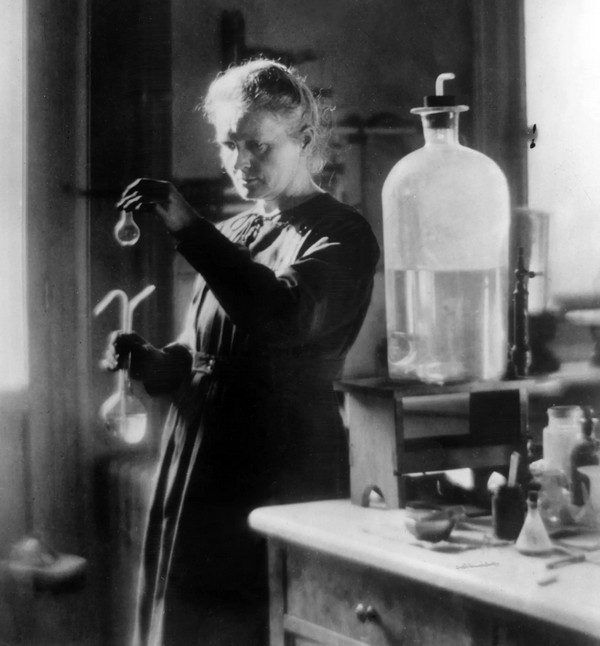
Curie’s relentless work came at a personal cost. She spent countless hours in her lab without realizing the dangers of prolonged radiation exposure. Eventually, this led to her tragic death from aplastic anemia on July 4, 1934, in Passy, France. Her sacrifice and dedication to science were so revered that her remains were interred in the Panthéon in Paris, making her the first woman to receive such an honor solely based on her own achievements.
Marie Curie’s citizenship first Polish, later becoming a naturalized French citizen reflects her dual heritage, beloved by both Poland and France. She once said, “I am among those who think that science has great beauty.” This belief not only guided her career but also resonates in her enduring legacy.
Inspiring Generations: The Impact of Marie Curie’s Work
Curie’s preserved office and laboratory at the Radium Institute serve as a museum, a fitting tribute to her lifelong commitment to research and discovery. Her name lives on through awards, institutions, and in the hearts of people who admire her contributions. Curie’s legacy continues to inspire young scientists, especially women, to follow their passions, challenge conventions, and contribute to humanity through knowledge and perseverance.
On her birthday, we remember Marie Curie not only as a scientific genius but also as a symbol of resilience and sacrifice. Her life reminds us that dedication and curiosity can indeed change the world a lesson that resonates as powerfully today as it did over a century ago.
– Team Eduwire
Related News
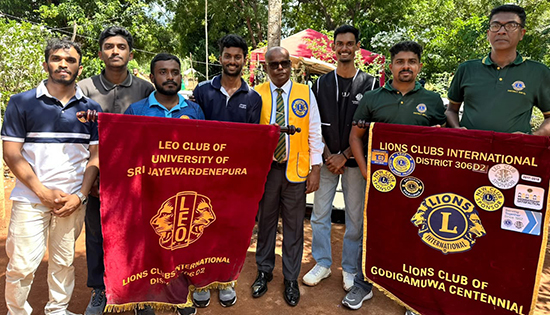
USJ Leo Club’s ‘Pranadhara ’26’ Brings Water Storage Support to Habarana Community
The Leo Club of the University of Sri Jayewardenepura has completed the second phase of its ‘Pranadhara ’26’ water security project, providing…
Read More
Sri Lanka Skills Expo 2026 to promote vocational education in Colombo
The Sri Lanka Skills Expo 2026 is scheduled to take place from October 23 to 25 at Viharamahadevi Park and Green Path…
Read MoreSri Lanka ITEC Alumni Association formally launched to unite India-trained professionals
The Sri Lanka ITEC Alumni Association was officially launched during its inaugural meeting at the Grand Crystal Ballroom of Hotel Taj Samudra…
Read More‘The Creative Wave’: University of Moratuwa to host design and innovation conference
The University of Moratuwa is setting the stage for its flagship international design event, the Integrated Design Research 2026 International Conference, scheduled…
Read More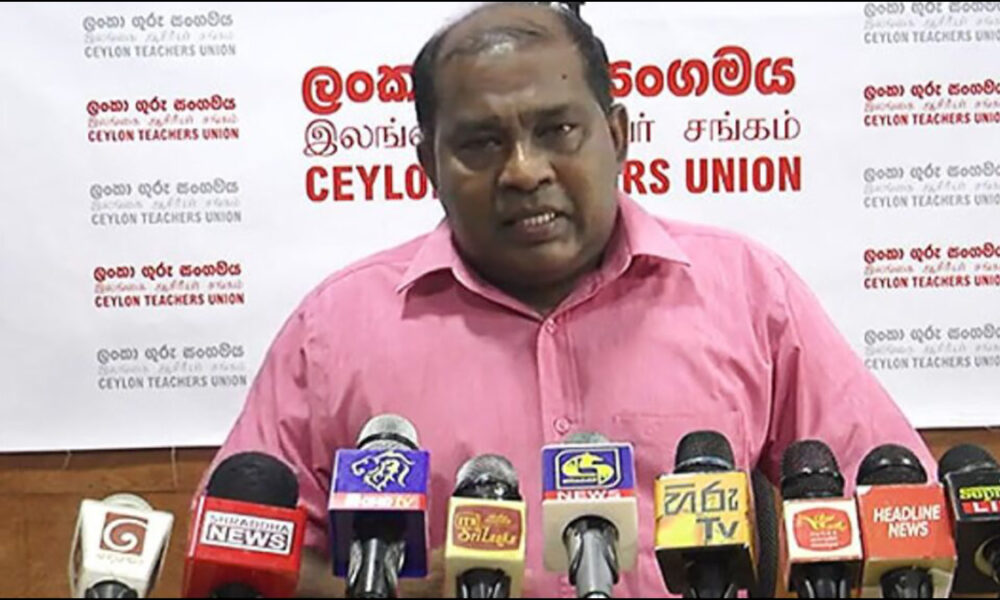
Ceylon Teachers’ Union warns of education crisis over teacher recruitment delays
General Secretary of the Ceylon Teachers’ Union (CTU), Joseph Stalin, stated that a “crisis” has arisen in the country’s education system due…
Read MoreCourses
-

The future of higher education tech: why industry needs purpose-built solutions
For years, Institutions and education agencies have been forced to rely on a patchwork of horizontal SaaS solutions – general tools that… -

MBA in Project Management & Artificial Intelligence – Oxford College of Business
In an era defined by rapid technological change, organizations increasingly demand leaders who not only understand traditional project management, but can also… -

Scholarships for 2025 Postgraduate Diploma in Education for SLEAS and SLTES Officers
The Ministry of Education, Higher Education and Vocational Education has announced the granting of full scholarships for the one-year weekend Postgraduate Diploma… -
Shape Your Future with a BSc in Business Management (HRM) at Horizon Campus
Human Resource Management is more than a career. It’s about growing people, building organizational culture, and leading with purpose. Every impactful journey… -
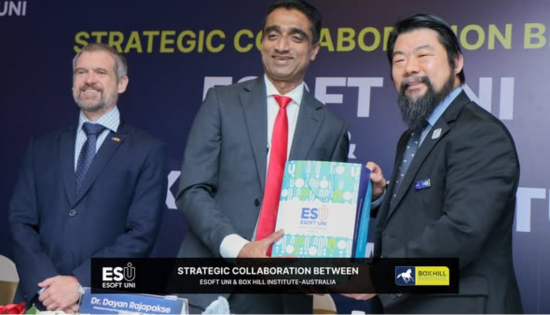
ESOFT UNI Signs MoU with Box Gill Institute, Australia
ESOFt UNI recently hosted a formal Memorandum of Understanding (MoU) signing ceremony with Box Hill Institute, Australia, signaling a significant step in… -

Ace Your University Interview in Sri Lanka: A Guide with Examples
Getting into a Sri Lankan sate or non-state university is not just about the scores. For some universities' programmes, your personality, communication… -
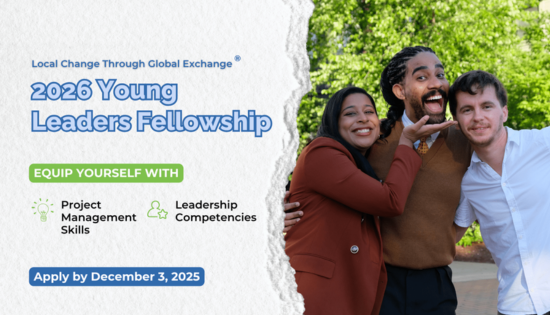
MCW Global Young Leaders Fellowship 2026
MCW Global (Miracle Corners of the World) runs a Young Leaders Fellowship, a year-long leadership program for young people (18–26) around the… -
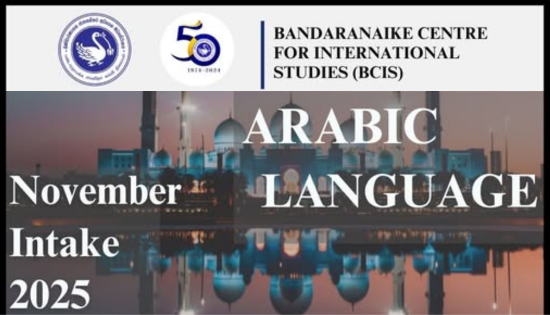
Enhance Your Arabic Skills with the Intermediate Language Course at BCIS
BCIS invites learners to join its Intermediate Arabic Language Course this November and further develop both linguistic skills and cultural understanding. Designed… -
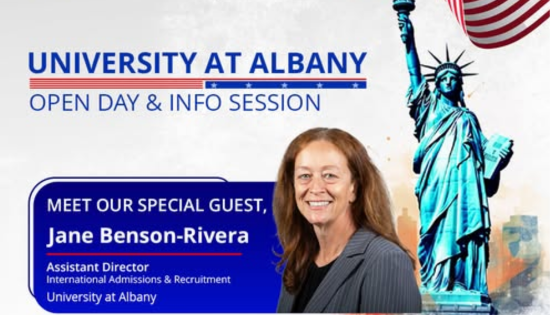
Achieve Your American Dream : NCHS Spring Intake Webinar
NCHS is paving the way for Sri Lankan students to achieve their American Dream. As Sri Lanka’s leading pathway provider to the… -
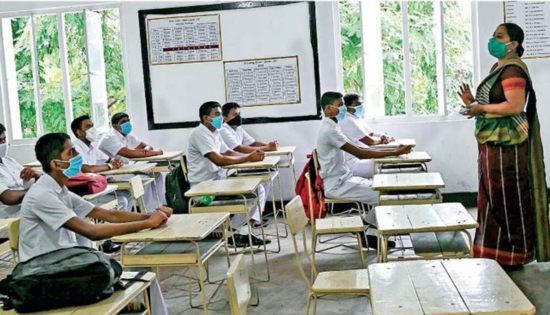
National Diploma in Teaching course : Notice
A Gazette notice has been released recently, concerning the enrollment of aspiring teachers into National Colleges of Education for the three-year pre-service… -
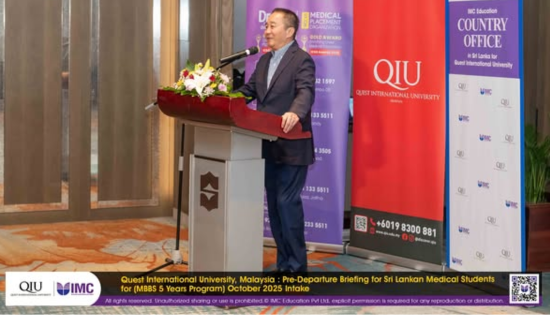
IMC Education Features Largest Student Recruitment for QIU’s October 2025 Intake
Quest International University (QIU), Malaysia recently hosted a pre-departure briefing and high tea at the Shangri-La Hotel in Colombo for its incoming… -

Global University Employability Ranking according to Times Higher Education
Attending college or university offers more than just career preparation, though selecting the right school and program can significantly enhance your job… -

Diploma in Occupational Safety & Health (DOSH) – CIPM
The Chartered Institute of Personnel Management (CIPM) is proud to announce the launch of its Diploma in Occupational Safety & Health (DOSH),… -
Small Grant Scheme for Australia Awards Alumni Sri Lanka
Australia Awards alumni are warmly invited to apply for a grant up to AUD 5,000 to support an innovative project that aim… -
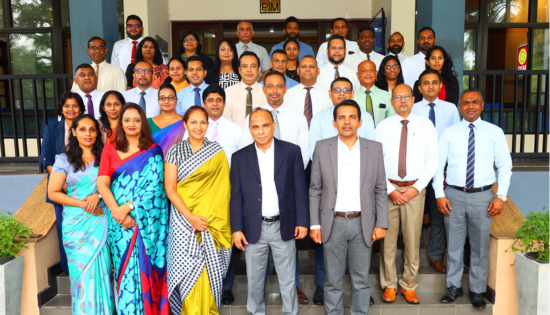
PIM Launches Special Programme for Newly Promoted SriLankan Airlines Managers
The Postgraduate Institute of Management (PIM) has launched a dedicated Newly Promoted Manager Programme designed to strengthen the leadership and management capabilities…
Newswire
-

Shots fired into air after car intercepts motorcycle in Piliyandala
ON: October 20, 2026 -
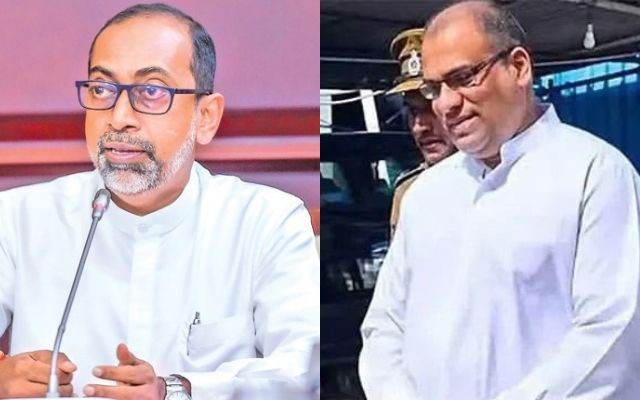
Gnanasara Thera to be produced in court wearing robes on October 23
ON: October 20, 2026 -
Restaurant owner shot dead in Moratuwa
ON: October 20, 2026 -
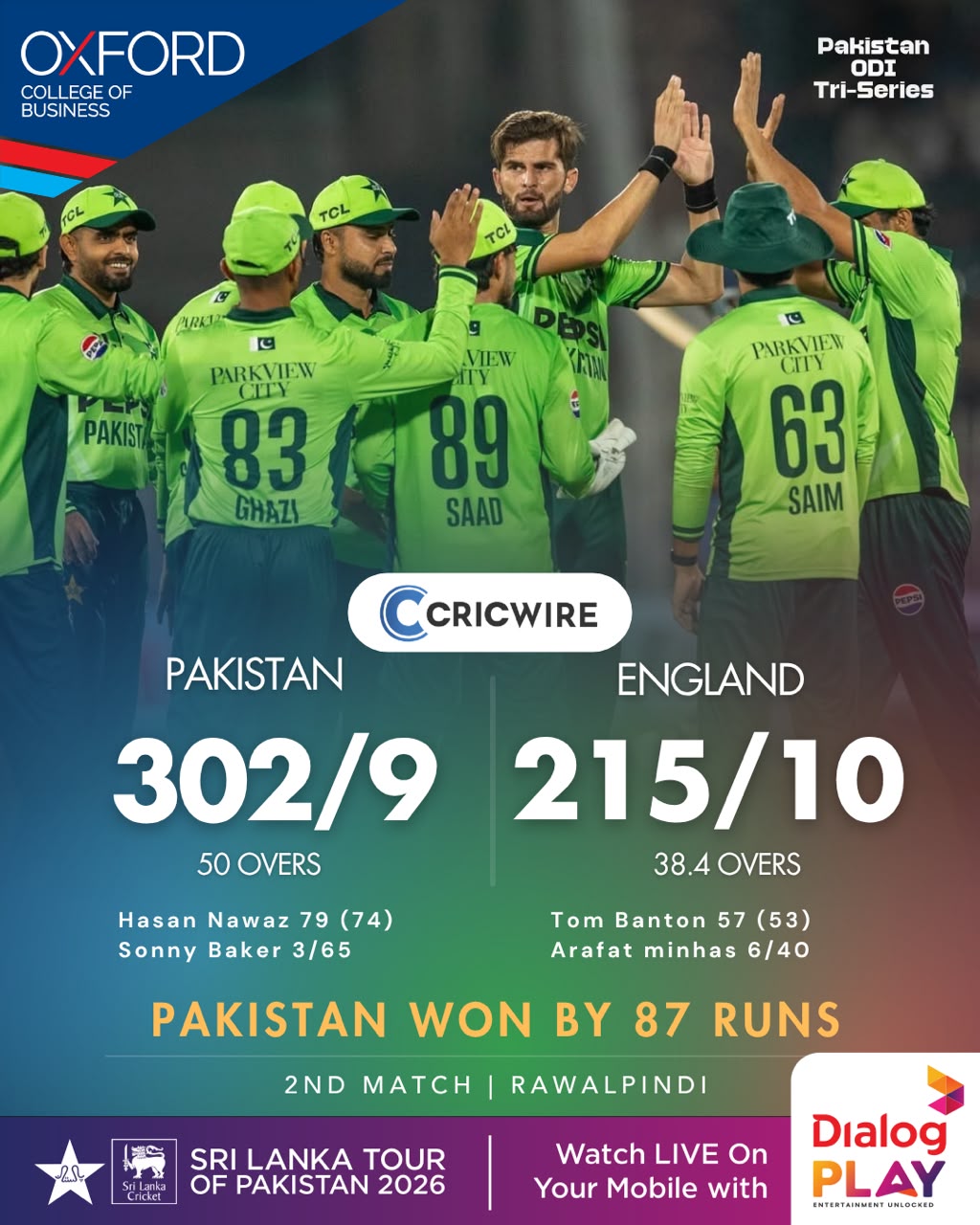
Pakistan, Sri Lanka & England ODI Tri-Series Points Table & NRR
ON: October 20, 2026