




Incorporating AI into the Classroom: Simplified Overview
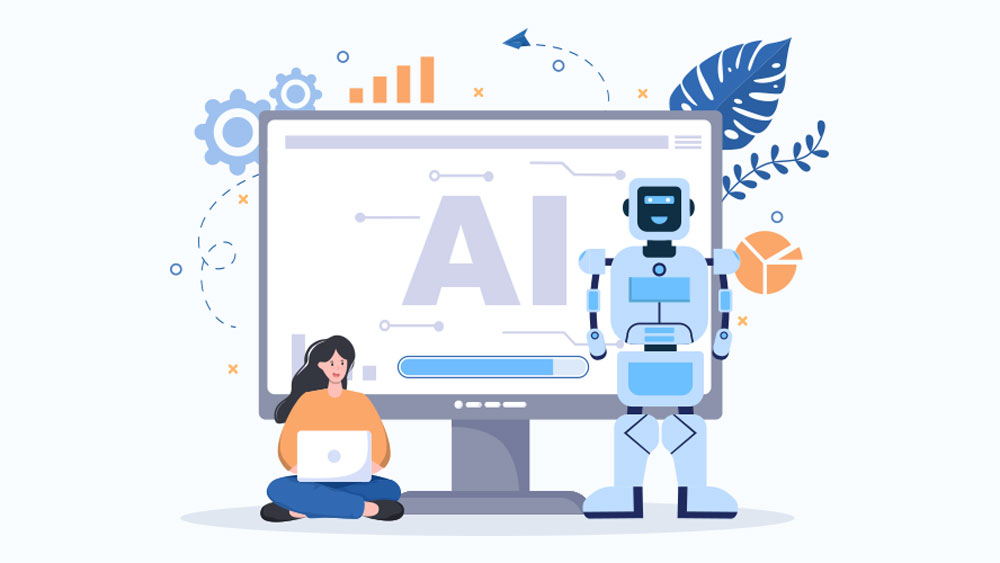
What is AI and Why Use It in School?
Imagine if your study buddy could always know exactly what you’re struggling with and help you out. That’s a bit like how Artificial Intelligence (AI) can work in the classroom. AI is like a smart computer program that can help make learning more tailored to your needs and keep things interesting. Teachers can use AI to understand better how each student learns best and provide help exactly where it’s needed.
Benefits of AI in Schools
Customized Learning: Just like a music app suggests songs you might like, AI in schools can suggest ways to learn that suit you best. Whether you love videos, quizzes, or reading, AI can help make learning more fun and effective for you.
Understanding Tech: Using AI in schools doesn’t just help with subjects like math or science; it also teaches you about the technology itself. This is cool because AI is going to be a big part of many jobs in the future.
Building Essential Skills: Working with AI can help you get better at problem-solving, thinking critically, and working well with others. These skills are super important, no matter what you plan to do later in life.
Challenges of Using AI in Schools
Tech Savvy Teachers: Not all teachers know how to use AI tools yet. They might need some extra training to feel comfortable and make the most of these cool tools.
Money Matters: AI tools can be expensive, and not all schools can afford them. This might mean some schools get to use AI, and others don’t, which isn’t fair.
Playing Fair: Using AI means a lot of data about how students learn is collected, which can raise questions about privacy and fairness. It’s important for schools to use AI in a way that keeps everyone’s information safe and is fair to everyone.
How to Make AI Work Best in Schools
Choose the Right Partners: Schools should work with companies or experts who really understand AI. This can help make sure the AI tools are helpful and safe to use.
Start Small: It’s like learning to ride a bike—start with training wheels! Schools might begin with simple AI tools in one or two classes and then use them more as they see what works.
Think About the Big Picture: It’s important for students to not only know how to use AI but to think about how it affects people and society. Teachers can help students think about the big and small effects AI might have.
Using AI in school is pretty exciting! It can make learning more personalized and fun and help you build important skills for your future. But, like any new tool, it comes with challenges like making sure it’s used fairly and figuring out how to pay for it. By starting small, choosing the right help, and thinking carefully about how to use AI, schools can really benefit from what AI has to offer.
Related News
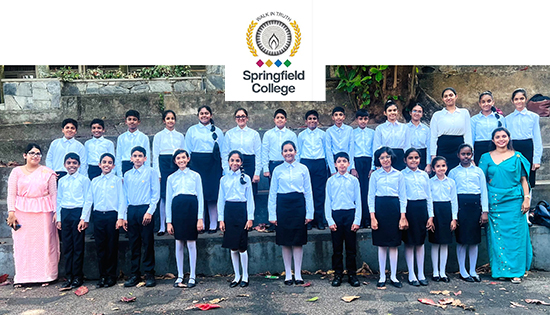
Springfield College, Kandy, Wins All-Island Western Music and Dance Championship
Front Row ( Left to Right ): Helika Weerasinghe, Adeepa Perera, Sineru Gallassage, Sethuni Kodippili, Vinara Godagama, AnukiIndrajith, Omindu Bandara, Leena Rizman,…
Read More
Gateway Graduate School Research Symposium 2026 to Bring Together Researchers, Educators and Young Innovators
Gateway Graduate School is set to host its Research Symposium 2026 on Saturday, 31 October 2026, at the Bandaranaike Memorial International Conference…
Read More
A Warm Welcome to a New Beginning: Horizon College International Welcomes New Students and Parents
Horizon College International (HCI) commenced the 2026/27 Academic Year with a warm and memorable welcome to its newest members of the Horizon…
Read More
Gateway Girls Triumph in Football
Under 18 Champions: Standing Order Left to Right – Mr Rafaah Suhail (Coach), Ms Sahani Fernando (Coach), Brianna Perera, Tasneem Malik, KenuliAbeygunawardhane…
Read More
Gateway College Crowned TISSL Under-19 Basketball Champions for Fifth Consecutive Year
Back Row (left to right):DhanukaWijegoonaratne, Tevan Sela, Jonathan Herath, Mikyle Reza, Akain Vitanachy, Samuel Tsung, Thinuk Attanayaka, NavinduWaduwavala, Julan Senmitha, Jithein Kulatunga,…
Read MoreCourses
-

The future of higher education tech: why industry needs purpose-built solutions
For years, Institutions and education agencies have been forced to rely on a patchwork of horizontal SaaS solutions – general tools that… -

MBA in Project Management & Artificial Intelligence – Oxford College of Business
In an era defined by rapid technological change, organizations increasingly demand leaders who not only understand traditional project management, but can also… -

Scholarships for 2025 Postgraduate Diploma in Education for SLEAS and SLTES Officers
The Ministry of Education, Higher Education and Vocational Education has announced the granting of full scholarships for the one-year weekend Postgraduate Diploma… -

Shape Your Future with a BSc in Business Management (HRM) at Horizon Campus
Human Resource Management is more than a career. It’s about growing people, building organizational culture, and leading with purpose. Every impactful journey… -

ESOFT UNI Signs MoU with Box Gill Institute, Australia
ESOFt UNI recently hosted a formal Memorandum of Understanding (MoU) signing ceremony with Box Hill Institute, Australia, signaling a significant step in… -

Ace Your University Interview in Sri Lanka: A Guide with Examples
Getting into a Sri Lankan sate or non-state university is not just about the scores. For some universities' programmes, your personality, communication… -
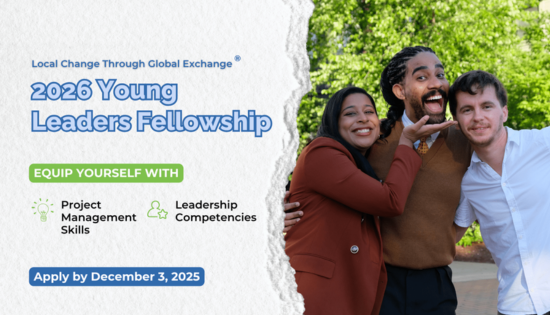
MCW Global Young Leaders Fellowship 2026
MCW Global (Miracle Corners of the World) runs a Young Leaders Fellowship, a year-long leadership program for young people (18–26) around the… -
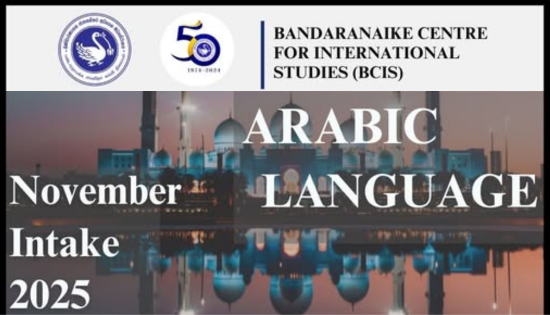
Enhance Your Arabic Skills with the Intermediate Language Course at BCIS
BCIS invites learners to join its Intermediate Arabic Language Course this November and further develop both linguistic skills and cultural understanding. Designed… -
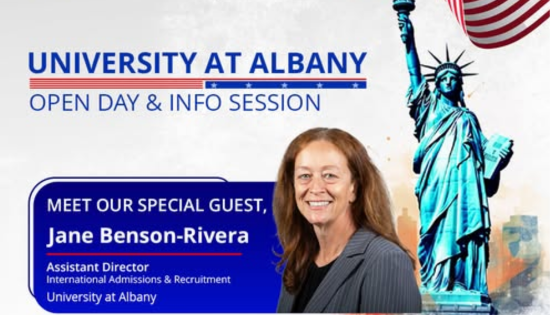
Achieve Your American Dream : NCHS Spring Intake Webinar
NCHS is paving the way for Sri Lankan students to achieve their American Dream. As Sri Lanka’s leading pathway provider to the… -

National Diploma in Teaching course : Notice
A Gazette notice has been released recently, concerning the enrollment of aspiring teachers into National Colleges of Education for the three-year pre-service… -
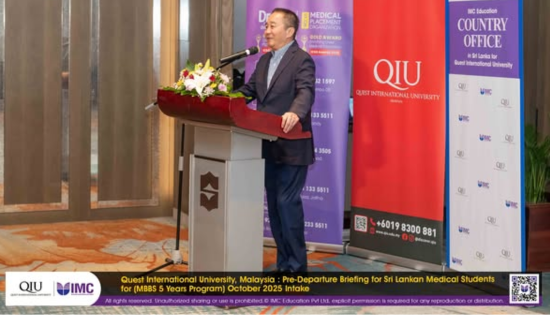
IMC Education Features Largest Student Recruitment for QIU’s October 2025 Intake
Quest International University (QIU), Malaysia recently hosted a pre-departure briefing and high tea at the Shangri-La Hotel in Colombo for its incoming… -

Global University Employability Ranking according to Times Higher Education
Attending college or university offers more than just career preparation, though selecting the right school and program can significantly enhance your job… -

Diploma in Occupational Safety & Health (DOSH) – CIPM
The Chartered Institute of Personnel Management (CIPM) is proud to announce the launch of its Diploma in Occupational Safety & Health (DOSH),… -
Small Grant Scheme for Australia Awards Alumni Sri Lanka
Australia Awards alumni are warmly invited to apply for a grant up to AUD 5,000 to support an innovative project that aim… -
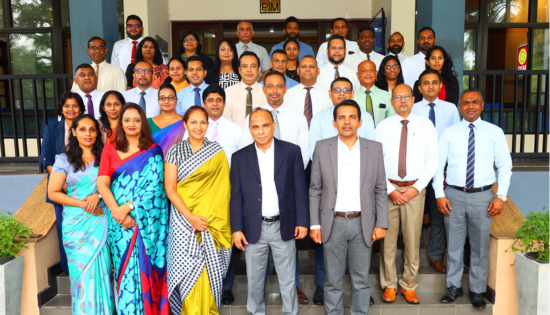
PIM Launches Special Programme for Newly Promoted SriLankan Airlines Managers
The Postgraduate Institute of Management (PIM) has launched a dedicated Newly Promoted Manager Programme designed to strengthen the leadership and management capabilities…
Newswire
-

Minor flood warning issued for Mahaweli River Basin
ON: October 26, 2026 -

Severe lightning warning issued for all 25 districts of Sri Lanka
ON: October 26, 2026 -

CBSL rates: Sri Lankan Rupee appreciates slightly against USD
ON: October 26, 2026 -

Indian national arrested with Kush cannabis worth over Rs. 51 Mn at BIA
ON: October 26, 2026 -
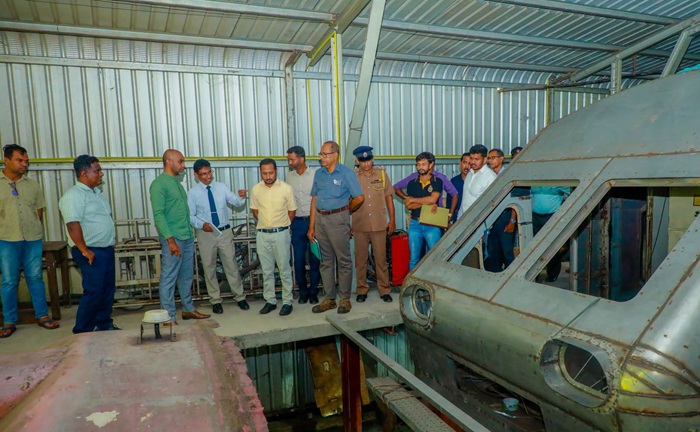
Sri Lanka Railways to overhaul three S11 trains at Rs. 25 Mn each
ON: October 26, 2026