



The Cost of Studying Abroad vs. Local Higher Education
Deciding between studying locally or abroad is a significant choice that can shape your academic and personal growth. Both options have their unique advantages and disadvantages, and the decision ultimately depends on your needs, preferences, and financial considerations.

Tuition Fees
Studying locally is generally more affordable compared to studying abroad. Local universities often have lower tuition fees, and students can save on travel and accommodation expenses. For instance, countries like Germany, Sweden, and Norway offer free or very low tuition fees for international students. On the other hand, studying abroad, especially in countries like the United States, United Kingdom, and Australia, can be much more expensive due to higher tuition fees and additional costs like travel and living expenses.
Living Costs
Living costs also vary significantly between studying locally and abroad. In many cases, living abroad can be more expensive due to higher costs for accommodation, food, transportation, and other daily expenses. For example, cities like New York, London, and Sydney are known for their high cost of living. However, some countries offer affordable living costs, making studying abroad more feasible.
Return on Investment (ROI)
The return on investment for studying abroad can be higher due to the international experience and global network you gain. Employers often value international education as it demonstrates adaptability, independence, and cross-cultural competence5. This can enhance your employability and open up more career opportunities. However, studying locally can also provide good ROI, especially if the local job market values your skills and qualifications.
Scholarships and Financial Aid
Many universities offer scholarships and financial aid for international students. These can significantly reduce the cost of studying abroad and make it more affordable. It’s essential to research and apply for scholarships early to increase your chances of receiving financial support. Additionally, some countries have specific financial aid programs for international students, which can help cover tuition fees and living expenses.
Part-Time Work Opportunities
Part-time work opportunities can help offset the cost of studying abroad. Many countries allow international students to work part-time while studying, providing a source of income to cover living expenses. It’s important to check the work regulations for international students in your chosen country and ensure you comply with the rules.
Both studying locally and abroad have their pros and cons. Studying abroad can offer valuable international experience and enhance your career prospects, but it can also be more expensive. Studying locally can be more affordable and convenient, but it may limit your exposure to different cultures and global networks. Ultimately, the decision depends on your personal goals, financial situation, and preferences.
Related News
Education Ministry warns public against fake circulars shared online
The Ministry of Education, Higher Education and Vocational Education has issued a warning to the public regarding distorted official circulars and false…
Read MoreMinistry of Education authorises provincial officials to decide on school closures amid inclement weather
The Ministry of Education has granted authority to Provincial Education Secretaries and Provincial Directors of Education to determine temporary school closures in…
Read MorePM Amarasuriya: New school curriculum to expand to Grades 2 and 6 in 2027
Prime Minister Dr. Harini Amarasuriya announced that the new school curriculum introduced for Grade 1 in 2026 will be expanded to Grades…
Read More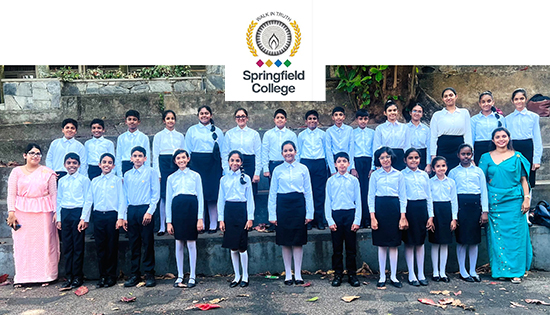
Springfield College, Kandy, Wins All-Island Western Music and Dance Championship
Front Row ( Left to Right ): Helika Weerasinghe, Adeepa Perera, Sineru Gallassage, Sethuni Kodippili, Vinara Godagama, AnukiIndrajith, Omindu Bandara, Leena Rizman,…
Read More
Gateway Graduate School Research Symposium 2026 to Bring Together Researchers, Educators and Young Innovators
Gateway Graduate School is set to host its Research Symposium 2026 on Saturday, 31 October 2026, at the Bandaranaike Memorial International Conference…
Read MoreCourses
-

The future of higher education tech: why industry needs purpose-built solutions
For years, Institutions and education agencies have been forced to rely on a patchwork of horizontal SaaS solutions – general tools that… -

MBA in Project Management & Artificial Intelligence – Oxford College of Business
In an era defined by rapid technological change, organizations increasingly demand leaders who not only understand traditional project management, but can also… -

Scholarships for 2025 Postgraduate Diploma in Education for SLEAS and SLTES Officers
The Ministry of Education, Higher Education and Vocational Education has announced the granting of full scholarships for the one-year weekend Postgraduate Diploma… -

Shape Your Future with a BSc in Business Management (HRM) at Horizon Campus
Human Resource Management is more than a career. It’s about growing people, building organizational culture, and leading with purpose. Every impactful journey… -

ESOFT UNI Signs MoU with Box Gill Institute, Australia
ESOFt UNI recently hosted a formal Memorandum of Understanding (MoU) signing ceremony with Box Hill Institute, Australia, signaling a significant step in… -

Ace Your University Interview in Sri Lanka: A Guide with Examples
Getting into a Sri Lankan sate or non-state university is not just about the scores. For some universities' programmes, your personality, communication… -
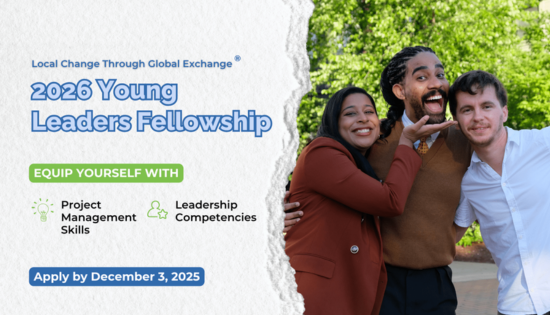
MCW Global Young Leaders Fellowship 2026
MCW Global (Miracle Corners of the World) runs a Young Leaders Fellowship, a year-long leadership program for young people (18–26) around the… -
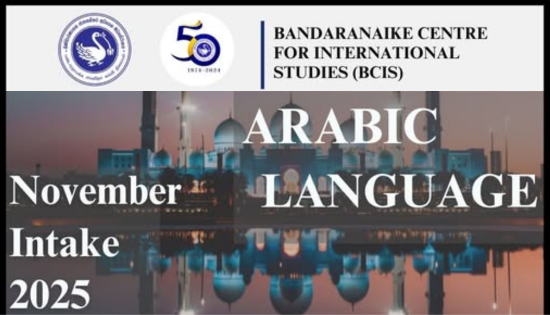
Enhance Your Arabic Skills with the Intermediate Language Course at BCIS
BCIS invites learners to join its Intermediate Arabic Language Course this November and further develop both linguistic skills and cultural understanding. Designed… -

Achieve Your American Dream : NCHS Spring Intake Webinar
NCHS is paving the way for Sri Lankan students to achieve their American Dream. As Sri Lanka’s leading pathway provider to the… -
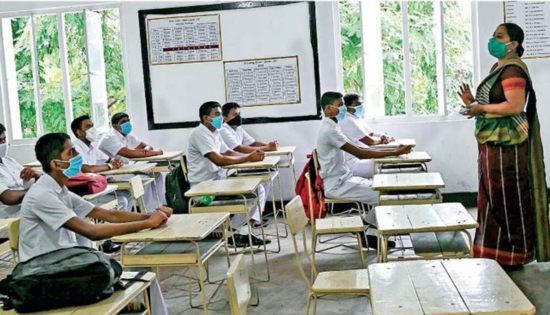
National Diploma in Teaching course : Notice
A Gazette notice has been released recently, concerning the enrollment of aspiring teachers into National Colleges of Education for the three-year pre-service… -
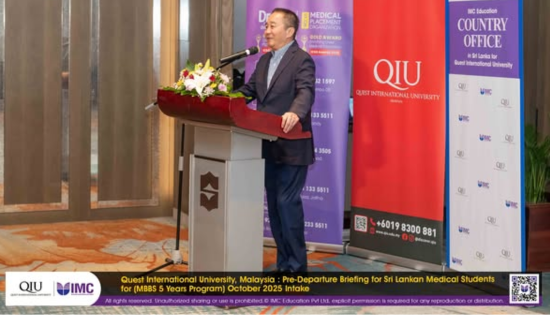
IMC Education Features Largest Student Recruitment for QIU’s October 2025 Intake
Quest International University (QIU), Malaysia recently hosted a pre-departure briefing and high tea at the Shangri-La Hotel in Colombo for its incoming… -

Global University Employability Ranking according to Times Higher Education
Attending college or university offers more than just career preparation, though selecting the right school and program can significantly enhance your job… -

Diploma in Occupational Safety & Health (DOSH) – CIPM
The Chartered Institute of Personnel Management (CIPM) is proud to announce the launch of its Diploma in Occupational Safety & Health (DOSH),… -
Small Grant Scheme for Australia Awards Alumni Sri Lanka
Australia Awards alumni are warmly invited to apply for a grant up to AUD 5,000 to support an innovative project that aim… -
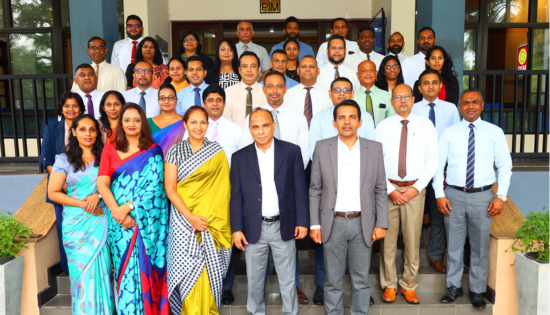
PIM Launches Special Programme for Newly Promoted SriLankan Airlines Managers
The Postgraduate Institute of Management (PIM) has launched a dedicated Newly Promoted Manager Programme designed to strengthen the leadership and management capabilities…
Newswire
-
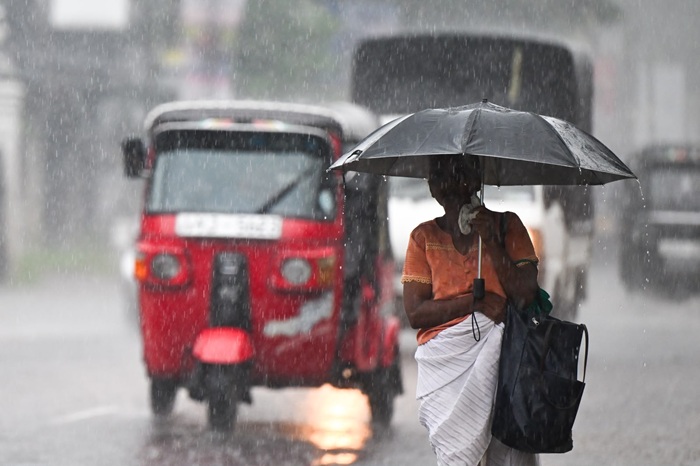
Cyclonic storm “Arnab” : Above 75 mm of rain expected in parts of Sri Lanka today
ON: October 27, 2026 -

FIFA President holds talks with Sri Lankan delegation on football development
ON: October 26, 2026 -

Pathum Nissanka ruled out of Pakistan Tests, Lahiru Udara recalled
ON: October 26, 2026